


The Progressive Goal Attainment Program ( PGAP®) is designed to prevent or reduce the severity of disability that can arise following injury or illness by providing individuals with a tool set that assists them in progressing with life.
At LDOT , our therapists are very aware of the challenges our clients face when they try to get back to their normal activities after suffering an accident or injury. Sometimes, pain, anxiety, depression or symptoms of Post Traumatic Stress Disorder affect the ability for one to get “on with life”. They become what is often referred to as “chronically disabled”.
Whether addressed in relation to personal, social or health care costs; chronic disability remains one of the most expensive health problems facing modern society. PGAP® was designed to target psychosocial risk factors for disability. Psychosocial factors were chosen by Dr. Michael Sullivan PhD as targets of the intervention on the basis of emerging research supporting their relevance to return-to- work outcomes and the ability to change through intervention.
How does PGAP® work?
During an initial screening, out therapists determine whether a client is a suitable candidate for PGAP®. During the first session, clients are invited to view one of 4 PGAP Information Videos. Different videos have been developed to address factors specific to different disabling conditions. The videos feature interviews with medical and rehabilitation experts on the factors that contribute to successful rehabilitation and recovery. The idea is that our clients are informed of the research behind what they are trying to accomplish.
In the initial weeks of the Program, the focus is on developing a structured activity schedule using a diary system to assist the client in resuming activities that have been affected by injury or illness. Activity goals are chosen by the client – your goals not ours – in order to promote resumption of family, social and occupational roles. Intervention techniques are used to target specific obstacles to rehabilitation progress . That is why PGAP® requires training and certification.
The sessions are limited to 10 weeks. If the client is not progressing or does not feel that this approach is for them, the programme can be terminated, saving time and cost to all.
We feel very strongly about this approach to managing chronic illness. If you have Chronic Pain, are a cancer survivor, suffer from anxiety, depression or have any other chronic health issue that you feel is preventing you from doing what you love to do or need to do in your life, ask us about PGAP®.

 Insomnia is the single most commonly reported health problem in adults, and is often related or co-exists with reports of depression and /or anxiety, Chronic pain, PTSD, and other disorders. What we also know, is that if someone has insomnia, the stress associated with going to sleep, in order to fall asleep keeps mounting.


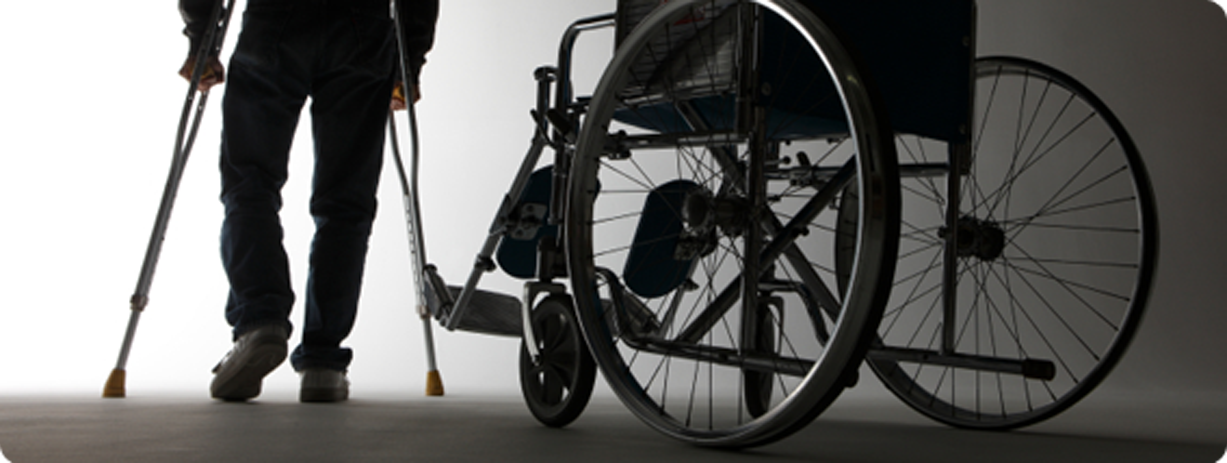 Some equipment funding and mobility aids are funded through the province of Ontario’s ADP programme. To be eligible for this programme, you must be assessed by an ADP authorized health care provider. Currently we do not have an ADP authorizer on staff, however, we would be happy to help you find one. If you have any questions regarding funding, please visit our
 If you need our services, we are happy to help find funding options. Auto insurance and Extended Health Insurance often cover our services. If you are on ODSP, we can contact your worker to negotiate our service delivery. We can help access funding through March of Dimes for home adaptation projects and we can point you in the right direction for any government funding, such as the Healthy Homes Renovation Tax Credit (2016). For some services we offer a flat rate consultation fee, competitive rates and flexible services for private pay solutions. Also, we are happy to work with your existing providers (e.g. physiotherapists, chiropractors, psychologists) or we can help you find services such as Personal Support Workers and Nurses. If you have any questions regarding funding, please visit our
 A Regulated Health Professional that, by law, is a person whom must be registered by a regulatory body to have the right to call themselves a member of that profession and use the title. A College is a regulatory body that in the interest of public protection, supports health care professionals to ensure that they are competent, ethical and accountable. Occupational Therapists in the province of Ontario must belong to the College of Occupational Therapist of Ontario (COTO).
 Occupational Therapist-OTs training in Ontario are now educated through Universities, either at a bachelors or masters level. For therapist trained outside Canada, their credentials are screened to ensure they meet the minimum standard required in the province of Ontario. After finishing their course of study whether here or abroad, all Occupational Therapists in the province of Ontario must pass an exam that is set by the Canadian Association of Occupational Therapists (
 In your first meeting with your Occupational Therapist, she or he will introduce themselves and provide you with their business card. You will then know their credentials and how to contact them in the future if you need to. The therapist will then explain the purpose of the assessment, and what will happen during the assessment. Usually, the assessment will include an interview portion, and assessment of the home or work environment, a brief physical assessment, and if necessary, some other assessments that might require answering questions or writing. This process is called obtaining informed consent, so you know what you agreeing to in your assessment.